Lawn Mowing in Kentish Town

Lawn mowing in Kentish Town should be straightforward, tidy and suited to the shape of the garden rather than rushed to a standard pattern. Our service focuses on regular cutting and neat finishing for domestic and small commercial outdoor spaces, with attention to edges, clippings and the condition of the grass. That means a lawn is not treated as a single task in isolation; it is handled as part of the wider presentation of the garden, so the result looks cared for without unnecessary disruption.
We work with lawns that need routine maintenance, seasonal tidying or a one-off cut as part of broader garden care. Where growth is uneven, overlong or affected by shade, the approach needs to be measured rather than overly short, especially on grass that may already be under pressure. Good mowing is about consistency, height control and leaving the surface usable, not simply reducing the length as far as possible. If you want to discuss what your lawn needs, request a quotation.
For many customers, the practical value lies in having a single, clear service that keeps the grass under control without creating extra work afterwards. That can include edging where appropriate, sensible clipping management and an agreed mowing pattern that suits access and the layout of the space. If you are comparing options, take a moment to look at the wider services overview before you decide how much help you need.
Routine mowing and seasonal care
Regular mowing helps a lawn keep its shape, density and general presentation, but the right schedule depends on growth rate, weather and how the space is used. In Kentish Town, gardens can be compact, shaded, paved around the edges or split into awkward sections, so a dependable routine matters more than trying to impose the same approach on every lawn. We keep the service practical: cut height, finish, clipping removal and timing are considered together so the result is balanced rather than overworked.
When grass is growing strongly, a lawn may need more frequent attention to stop it becoming too long between visits. In slower periods, the focus shifts to maintaining a tidy finish without stressing the turf. If there are bare patches, mossy areas or a lawn that has become thin in places, the cut should support recovery rather than leave the surface weak. For broader help with ongoing garden upkeep, see our garden maintenance service.
Edges, finish and the parts a mower cannot solve

A neat lawn is rarely about the centre of the grass alone. Edges alongside paths, fences, steps and beds often make the biggest visual difference, and they also define whether the garden looks intentional. A careful service may include trimming where access allows and making sure the boundary between lawn and border is clean. That is especially useful in smaller gardens where even a modest untidy edge can make the whole area look neglected.
Some lawns also need a slightly different finish depending on how the area is used. A family garden may need a cut that remains comfortable underfoot, while a more decorative front space may need the presentation sharpened up without making the grass look scalped. Where the lawn has been allowed to grow long, it is often better to reduce it gradually than to force a single severe cut. If you are weighing up related work, our hedge trimming page may help if the garden also has boundary growth that needs attention.
Useful lawn work often depends on small decisions that are easy to overlook:
- how short the grass should be left for the season
- whether clippings should remain on the lawn or be removed
- how tight the edges need to look against hard landscaping
- whether the visit is a one-off tidy or part of a regular pattern
What affects the right mowing approach
The right mowing approach is guided by the condition of the lawn rather than by a fixed template. Grass that has grown quickly after rain may respond well to a lighter cut and a return visit on schedule, while a lawn that has been neglected for some time may need more careful reduction. Slopes, narrow runs, movable furniture and access through the property can also influence what is practical on the day. The aim is always to leave the space manageable, neat and consistent.
Price is usually influenced by the size of the lawn, the condition of the grass, how much edging or clearing is involved and whether the work forms part of a broader garden maintenance plan. A straightforward cut on a clear, level lawn is different from an overgrown space with difficult access or mixed surfaces around it. If you are gathering figures for comparison, the pricing and quotes page gives a useful starting point for understanding how a quotation is prepared.
Small gardens, front lawns and shared outdoor areas

Not every lawn needs the same type of visit. A small front garden may only need a clean, regular cut and careful edging to stay presentable, while a rear lawn may need more time spent working around paths, play space or planting. Shared outdoor areas can also call for a firmer routine so the grass does not become patchy in the more heavily used sections. In each case, the work is shaped by the site rather than by an assumed standard size.
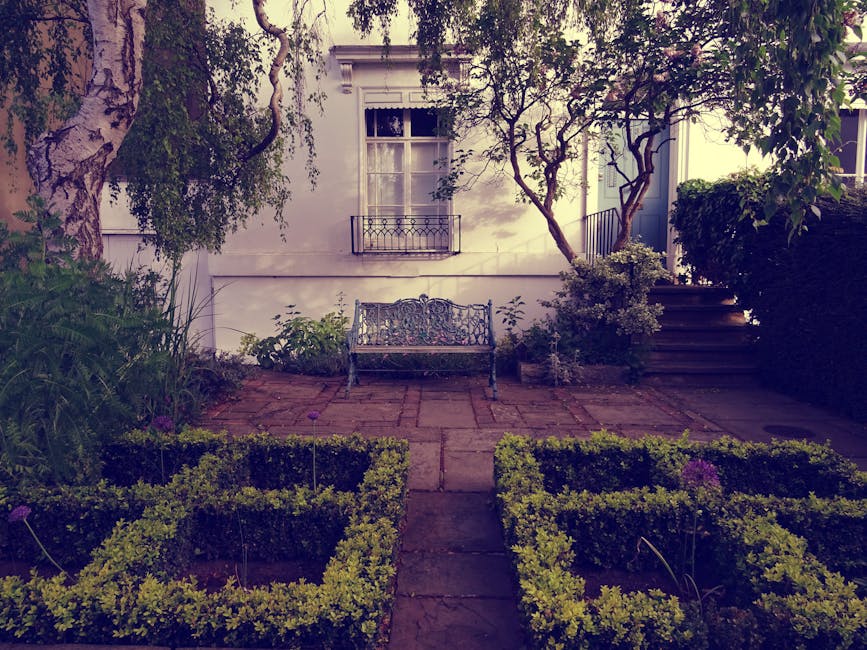
Where a garden is compact, the visual details matter more because there is less space to hide unevenness. That is why line choice, turning points and clipping control can make a real difference. A well-kept smaller lawn should still feel open and easy to use, not crowded by messy borders or ragged corners. If the garden also needs structural improvement or fresh layout ideas, our landscape gardening service may be relevant.
Consistency matters just as much as effort. A lawn that is cut regularly tends to stay simpler to manage, whereas a lawn left too long can become harder to tidy neatly without additional work. If your current issue is that the grass has simply got away from you, say so when you ask for a quote so the proposed approach can suit the actual condition rather than an idealised one.
Combining mowing with wider garden work
Many customers prefer lawn mowing as part of broader garden care rather than as a stand-alone task. That can be sensible where grass cutting is only one part of keeping the outdoor area presentable. A visit may be more effective when the lawn, surrounding growth and general tidiness are considered together, especially if the space has become uneven through a busy growing season. The key is to prioritise the work that will make the most visible difference first.
Related tasks can include clearing stray growth at the edges, dealing with heavier seasonal tidying or arranging a plan for ongoing upkeep. Where there is a more substantial build-up of debris or mixed garden waste, a separate clearance service may be more suitable than simply continuing to mow around the problem. You can see the kind of work covered on our garden clearance page if your garden needs more than routine cutting.
Mowing details that support a better finish

The practical details matter. A mower set too low can leave a lawn stressed, particularly in dry weather or where the grass is already thin. Cutting too high, by contrast, can make the garden look untidy and allow uneven patches to stand out. The right balance depends on the season, the grass type and the existing state of the lawn. A thoughtful service aims for a finish that looks controlled while still supporting the health of the surface.
There are also limitations that should be acknowledged. Grass that is sodden, extremely long or obstructed by obstacles may not suit a rushed approach, and the safest result is often achieved by working more cautiously. If the lawn has been neglected, it may take more than one visit to bring it back to a neat standard. In those cases, a clear plan is better than promising an instant transformation that would not be realistic.
When you are ready to talk through the work, ask for a quotation. If the garden includes timber features or adjoining outdoor structures, our decking services page may also be useful where you want the surrounding area to look equally tidy.
Why local customers choose a simple, dependable mowing service
Many people do not want an elaborate package; they want the grass cut properly, the edges respected and the garden left in a state that is easy to maintain. That is why lawn mowing works best when the service is clear and the outcome is specific. The job should reduce visual clutter, make the lawn easier to care for and avoid creating unnecessary mess around paths, borders or seating areas. A dependable approach keeps the outdoor space usable without overcomplicating the visit.
For some properties, trees and shrubs influence how mowing needs to be carried out, particularly where shade, leaf drop or low branches affect growth. In those cases, mowing is only one part of the wider picture. If tree-related clearance or cutting is also needed, our tree lopping and removal page explains that related service area. Bringing the different tasks into view can make it easier to decide what should happen first.
Preparing for a quotation and arranging the work
A clear quotation is easier to provide when the lawn’s size, access and condition are described accurately. If there are gates, steps, narrow paths, a significant slope or areas that cannot be reached easily, those details matter. It is also helpful to say whether you need a one-off tidy, a first cut after a gap, or a recurring mowing arrangement. That information lets us judge the amount of time and effort involved without overcomplicating the process.
The most useful enquiries usually mention any extras that affect the visit, such as overgrown edges, surrounding beds that need to be protected, or garden waste that needs removing afterwards. There is no need to turn this into a long brief; a simple description is enough to start the conversation. If you would like to move ahead, please contact us for your quotation request and we can discuss the practical details.
About Kentish Town

Kentish Town is a district in the London Borough of Camden, in north London, with a long history shaped by movement, trade, housing and transport. It grew from a settlement on the route between central London and the north, and over time became more closely connected to the city as roads, railways and later underground services changed how the area functioned. Kentish Town Road remains one of its main historic corridors, linking a busy local centre with residential streets that spread out towards Camden, Gospel Oak and Tufnell Park. The area sits within the wider fabric of inner London, so its character comes from a mix of older terraces, later infill buildings and steady redevelopment rather than from a single planned layout. That layered history is part of what gives the district its varied streetscape. The area includes well-known open spaces such as Kentish Town City Farm and is close to larger green spaces including Hampstead Heath and Parliament Hill Fields, both of which shape the way residents and visitors experience the neighbourhood. Public transport has long been important here, with Kentish Town station and Kentish Town West station helping to connect the district to other parts of the capital. Architecture in the area ranges from modest residential stock to civic and commercial buildings, with the local high street reflecting a practical, lived-in urban environment. Cultural life is also part of its identity, with music venues, pubs, small shops and community uses contributing to a busy everyday atmosphere. The result is a place that feels distinctly urban while still retaining pockets of residential calm and local character.