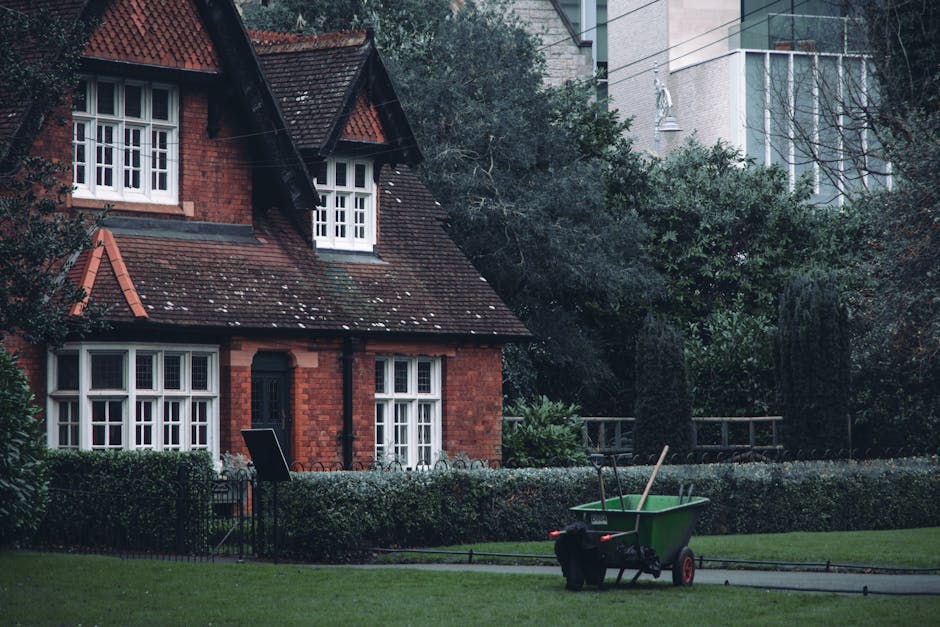
Gardeners serving Fortess Road terraces and yards: practical local care for compact London outdoor spaces
Terraces and yards around Fortess Road have a character of their own. Some are narrow and shaded, some catch a surprising amount of afternoon sun, and plenty sit right up against brick walls, fences, or basement steps that make access a bit awkward. That is exactly why gardeners serving Fortess Road terraces and yards need to bring a different kind of care: one that is neat, space-aware, and realistic for busy London homes.
If you are looking after a small outdoor space, you probably already know the problem. Weeds appear faster than you can pull them, pots dry out on warm days, and one missed weekend can make a tidy yard look a little tired. Truth be told, compact gardens can be more demanding than big ones. There is less room for error, fewer places to hide clutter, and every detail shows. The good news? With the right approach, a terrace or yard can feel calm, welcoming, and properly looked after without becoming a full-time project.
This guide explains how local garden care works, what to expect from a good service, which choices make the biggest difference, and how to avoid the common mistakes that leave small spaces looking cramped or neglected. If you want the short version up front: the best results come from regular maintenance, sensible planting, and a plan that suits the exact light, layout, and access conditions of your space.
Table of Contents
- Why Gardeners serving Fortess Road terraces and yards Matters
- How Gardeners serving Fortess Road terraces and yards Works
- Key Benefits and Practical Advantages
- Who This Is For and When It Makes Sense
- Step-by-Step Guidance
- Expert Tips for Better Results
- Common Mistakes to Avoid
- Tools, Resources and Recommendations
- Law, Compliance, Standards, or Best Practice
- Options, Methods, or Comparison Table
- Case Study or Real-World Example
- Practical Checklist
- Conclusion
- Frequently Asked Questions
Why Gardeners serving Fortess Road terraces and yards Matters
Small gardens are often underestimated. A terrace or yard may look simple at first glance, but the combination of limited space, paving, boundaries, drainage, and urban dust creates a very particular set of conditions. On a street like Fortess Road, that usually means a mix of homes with compact front or rear outdoor areas that need careful maintenance rather than heavy landscaping.
Why does that matter? Because the wrong type of garden care can make a small space feel even smaller. Overgrown shrubs block light. Poorly chosen pots crowd walking space. Uneven paving collects water. And if a yard is not cleaned regularly, moss and fallen leaves can make it slippery before you even notice. A good gardener works with these constraints, not against them.
There is also a practical side. Many London residents do not have the time, storage, or tools to keep a compact outdoor space in shape every week. So the value of local garden help is not just visual. It is about saving time, keeping the space usable, and making sure the work is done in a way that suits the property. That might mean pruning to preserve light, choosing low-maintenance plants, or setting a seasonal routine that stops things from sliding downhill.
Expert summary: For terraces and yards, the best gardening service is usually not the most dramatic one. It is the one that keeps the space tidy, balanced, and easy to live with week after week.
If you are also thinking about broader upkeep across a property, it can help to look at related services such as garden maintenance and lawn care, especially where small lawns, paved yards, and planted borders all sit together. The point is simple: each part of the garden affects the rest.
How Gardeners serving Fortess Road terraces and yards Works
In practice, local garden care starts with understanding the layout. That sounds obvious, but it is the detail that matters. A yard with morning shade behaves differently from one that gets direct sun until late afternoon. A terrace with pots and containers needs different upkeep from one with gravel and a few shrubs. And a basement garden may need attention to drainage, access, and surface cleaning as much as planting.
A typical service usually begins with a walk-through and a quick assessment. A gardener looks at the light, soil or substrate, drainage, plant condition, and the amount of time the space actually needs. Some gardens need regular maintenance visits. Others need an initial reset followed by lighter seasonal care. To be fair, most compact spaces are a bit of both.
From there, the work may include hedge and shrub trimming, border tidying, weed removal, feeding, deadheading, pot refreshes, pressure-free surface cleaning, and small planting changes. A sensible gardener will also flag what should not be rushed. For example, if a plant is stressed from shade or a dry wall, simply cutting it back harder is not always the answer. Sometimes it needs relocation, better mulch, or a different species altogether.
If the garden is part of a larger property maintenance plan, services may sit alongside tree surgery, hedge trimming, or even a one-off tidy-up after a long period without care. Different jobs, yes, but they often overlap in small urban gardens where every square metre counts.
Key Benefits and Practical Advantages
There are plenty of reasons people want reliable help with terraces and yards, but the main benefits are very straightforward. You get a space that looks cared for, works better day to day, and is much easier to keep under control over time.
- Better use of space: compact gardens work best when every corner has a purpose, whether that is planting, seating, storage, or open access.
- Improved light and openness: careful pruning and layout choices can stop a small garden from feeling boxed in.
- Lower maintenance pressure: regular attention is easier than letting weeds and growth build up.
- Healthier plants: the right watering, feeding, and seasonal cuts reduce stress and improve appearance.
- Safer surfaces: clearing moss, leaves, and debris helps prevent slips on paved areas.
- Better first impression: whether it is for visitors, tenants, or your own day-to-day enjoyment, a tidy yard changes the feel of the whole property.
There is also a quieter benefit people often notice after a few weeks: the garden starts to feel like part of the home again, not a separate job hanging over you. You open the back door, see clean lines and fresh growth, and the whole place just breathes a bit easier.
For homeowners thinking about overall outdoor presentation, a combined approach can be especially effective. Services like fencing and landscaping may not be needed in every case, but when they are, they can transform how a terrace or yard feels without making it fussy.
Who This Is For and When It Makes Sense
This kind of service suits a wide mix of people. Some need regular support, some only need a seasonal refresh, and some just want help getting back on top of a space that has got away from them a little. Happens to the best of us.
You may benefit from local gardening help if you are:
- a homeowner with a small rear yard that needs regular upkeep
- a landlord wanting a tidy, presentable outdoor area for tenants
- a tenant looking after a compact terrace and wanting help with the heavier jobs
- a busy professional who can manage a few pots but not a full schedule of maintenance
- someone preparing a property for sale, letting, or a family gathering
- a resident dealing with shade, poor drainage, or awkward access that makes DIY care frustrating
It also makes sense if your current approach is mostly reactive. If you only notice the garden when weeds are knee-high or the paving is slippery, then a structured maintenance plan will usually pay off quickly. Not in some dramatic way, just quietly and practically.
Another sign you may need help is when the space has become too layered. Too many pots, mixed-up plants, old compost bags, broken containers, and one half-finished project from last summer. We have all seen that yard. The answer is not always a full redesign. Sometimes it is a sensible tidy, a few replacements, and a clear plan for what stays.
Step-by-Step Guidance
If you are wondering how to tackle a terrace or yard properly, start with a simple process. Small spaces reward clear decisions. They do not need endless complication.
- Assess the space honestly. Look at light, shade, drainage, plant condition, surface wear, and how the garden is actually used.
- Remove clutter first. Clear pots, dead growth, broken tools, old supports, and anything that blocks access or makes the area feel crowded.
- Tidy the structure. Trim hedges, cut back overgrowth, define edges, and make sure paths or paved zones are usable.
- Deal with weeds and moss. These are often the quickest way a yard starts looking neglected, especially in shady corners.
- Refresh soil and feeding where needed. Containers and small borders can lose vitality faster than larger beds.
- Check watering needs. Sun-traps and wall-backed terraces may dry out quickly; shaded yards may need less frequent watering but more attention to drainage.
- Choose plants for the site. Don't fight the conditions. Pick plants that suit shade, wind, or limited root space.
- Set a maintenance rhythm. Weekly, fortnightly, or seasonal visits work best when tied to the actual garden, not a guess.
A useful habit is to finish every session by stepping back and looking from the doorway. Does the space feel calmer? Is the route clear? Are the plant shapes balanced? That little pause catches a lot. Frankly, it saves you from the "I thought it looked fine from up close" problem.
If you want support with structured upkeep, the wider service pages on regular garden maintenance and garden clearance can help frame the difference between a one-off reset and an ongoing care plan.
Expert Tips for Better Results
Small urban gardens have a few quirks that experienced gardeners learn quickly. The first is that less is usually more. The second is that the wrong plant in the wrong spot becomes a maintenance problem very fast. The third? People often underestimate how much better a simple, restrained layout can look.
1. Build around the light you actually have
A north-facing yard or shaded terrace is not a failed garden; it is just a different one. Use shade-tolerant planting rather than forcing sun-lovers to survive. In many London spaces, ferns, evergreen structure, and carefully chosen perennials give far better results than a constant battle with wilted plants.
2. Keep surfaces and plants in proportion
Oversized containers can overwhelm a narrow yard. Too many small pots can look cluttered. Aim for a balanced number of focal points rather than filling every gap. That is often where the space starts to feel better immediately.
3. Use repetition to calm the eye
Repeating one or two materials, or a small group of plants, gives a terrace a more considered look. It makes the garden feel intentional instead of assembled in bits and pieces over the years.
4. Don't ignore the edges
Fence lines, wall bases, and the narrow strip beside steps can make or break the appearance of a yard. Clean edges signal care. Messy edges do the opposite, even if the rest of the space is tidy.
5. Watch for the hidden drain issues
After rain, check where water pools. A puddle near a door, a soggy patch under a container, or a slow-draining corner can quietly damage plants and surfaces. It is not glamorous, I know, but it matters.
For bigger visual changes, some properties benefit from careful planting updates or hardscape repairs, which is where patio installation or broader landscaping work may come into the picture. Not every yard needs that, though. Sometimes a cleaner, leaner planting scheme is enough.
Common Mistakes to Avoid
Most problems in terraces and yards are not dramatic. They creep in. One skipped cut here, a few extra pots there, and suddenly the space feels harder to manage than it should.
- Overplanting: filling every corner can make a small garden feel cramped and can create extra watering and pruning work.
- Choosing plants for looks only: a plant that looks lovely in the shop may be miserable in your garden's actual light and wind conditions.
- Ignoring access: if you cannot reach the back corner easily, maintenance will always be a hassle.
- Letting weeds mature: small weeds in paving or borders become much more stubborn if left too long.
- Using the wrong cleaning method: harsh surface cleaning can damage softer paving or disturb jointing, so a careful approach matters.
- Forgetting seasonal timing: pruning, feeding, and planting all work better when matched to the season rather than done randomly.
- Trying to do everything at once: a cluttered yard often improves more through steady clearing than through one exhausting day of effort.
A common one, and this is very human, is buying one more plant to "fill the gap" when what the space really needs is space. Sometimes the best improvement is taking something away. That can feel strange at first, but it often works.
Tools, Resources and Recommendations
You do not need a shed full of specialist kit to keep a terrace or yard in shape. In fact, for smaller spaces, the best tools are usually the practical ones that make regular maintenance easy to repeat.
| Tool or resource | Best use | Why it helps in a compact garden |
|---|---|---|
| Hand shears or secateurs | Light pruning and deadheading | Gives better control around tight planting |
| Stiff broom | Debris clearing on paving | Quick cleanup without over-wetting surfaces |
| Hand fork | Loosening compost and checking roots | Useful for pots and narrow beds |
| Watering can with rose | Precise watering | Helps avoid overwatering containers |
| Mulch or bark | Moisture retention and weed suppression | Reduces maintenance between visits |
| Plant labels or simple notes | Tracking varieties and care needs | Makes repeated maintenance much easier |
If you are organising ongoing care, it also helps to keep a simple record of what was pruned, fed, replaced, or repositioned. Nothing fancy. A note on your phone works. A surprising amount of garden stress comes from not remembering what was done last time.
For people who want a broader service mix, pages on grass cutting and fencing can be useful when a yard has both soft landscaping and boundary issues. The right mix depends on the property, not a template.
Law, Compliance, Standards, or Best Practice
For most small garden jobs, compliance is mainly about safe, considerate, and responsible practice rather than anything complicated. That said, in London there are a few sensible points to keep in mind.
First, noise and access matter. If work is being done early, late, or in a tightly packed terrace, it should be handled with proper neighbour awareness. Good gardeners keep disruption down and tidy up thoroughly, especially where shared access paths or close property lines are involved.
Second, waste should be managed properly. Green waste, soil, and removed materials need to be handled in a way that keeps the site clean and avoids mess on pavements or communal areas. This is one reason professional garden clearance can be helpful; it avoids the half-finished pile-up that nobody wants to stare at for a week.
Third, if a garden includes trees, tall hedges, or potentially unstable growth close to buildings, careful assessment is important. A cautious approach is better than a rushed cut. Local conditions, property boundaries, and neighbouring structures can all affect what is reasonable.
Fourth, any work near walls, drains, or paving should protect surfaces rather than damage them. That sounds obvious, but cheap shortcuts are often visible later. A careful service should leave the garden safer and cleaner, not just shorter.
In short, the best standard is simple: work neatly, respect the property, avoid unnecessary damage, and leave the garden in better shape than you found it. Sounds basic. It is, and it still matters.
Options, Methods, or Comparison Table
Different terraces and yards need different levels of support. Here is a straightforward comparison to help you decide what makes sense.
| Approach | Best for | Pros | Limitations |
|---|---|---|---|
| One-off tidy-up | Overgrown or neglected small gardens | Fast reset, immediate visual improvement | Needs follow-up to stay tidy |
| Regular maintenance | Busy households and rental properties | Keeps weeds, pruning, and clutter under control | Requires ongoing scheduling |
| Seasonal refresh | Gardens that are mostly managed but need a boost | Good for planting changes and pruning cycles | Less effective for fast-growing spaces |
| Full redesign | Spaces with poor layout, drainage, or planting structure | Can solve deeper problems and improve use of space | More disruptive and usually more involved |
For many Fortess Road terraces and yards, the sweet spot is regular maintenance with occasional seasonal refreshes. That balance keeps things under control without turning every visit into a major project.
Case Study or Real-World Example
Imagine a small rear yard off a terraced property. It has paved flooring, three large pots, two neglected climbers, and a strip of border that gets little sun. After a damp spring, the surface has a little moss, the pots are crowded, and one corner near the fence has weeds pushing through. Nothing dramatic, just a bit tired.
A sensible gardener would not start by ripping everything out. First comes clearing and cleaning. Then the climbers are assessed: one may be worth training properly, another may need cutting back to revive the space. The pots are thinned so they are not competing for attention. A shade-tolerant plant replaces something that has been struggling. The paving is cleared, edges are reset, and the yard suddenly reads as one coherent space rather than a collection of leftovers.
That is the quiet power of good local gardening. Not a massive transformation for the sake of it. Just a cleaner, calmer, more usable space. And honestly, when you open the back door on a grey London morning and the yard still looks ordered, it does something to the mood. A small thing, but a real one.
Practical Checklist
Use this as a quick sense-check before booking help or planning your next garden visit.
- Is the space a terrace, yard, or compact courtyard with limited access?
- Does the garden need regular upkeep, a one-off tidy, or a fuller refresh?
- Are weeds, moss, or overgrowth affecting safety or appearance?
- Do the current plants suit the available light and drainage?
- Would pruning, thinning, or rearranging improve the use of space?
- Are there boundary, paving, or drainage issues that need careful handling?
- Do you need waste removed after the work is done?
- Would a seasonal maintenance plan be easier than occasional catch-up jobs?
- Is the garden too crowded with pots, furniture, or unused items?
- Do you want the space to feel more open, easier to manage, and more welcoming?
If you can answer yes to several of these, then structured garden help is probably worth considering. No grand drama. Just a better way to keep the place looking lived-in rather than left behind.
Conclusion
Terraces and yards around Fortess Road need garden care that is calm, practical, and tuned to the realities of small London outdoor spaces. The best results come from clear planning, consistent maintenance, and an eye for proportion. Not every garden needs a full redesign. Many just need the right regular attention, done properly and without fuss.
Whether your space is a narrow paved yard, a shaded courtyard, or a modest terrace with a few pots and borders, the right gardener can help you make it easier to live with and nicer to look at. That combination is the real win. A garden that feels manageable is a garden you actually use.
Get a free quote today and see how much you can save.
And if the space has been nagging at you for a while, start small. Even one good visit can change the feel of a garden more than you might expect.
Frequently Asked Questions
What do gardeners serving Fortess Road terraces and yards usually do?
They usually handle tasks such as tidying, pruning, weeding, hedge trimming, container care, and general maintenance suited to compact urban spaces. The exact service depends on the garden's layout and condition.
How often should a small terrace or yard be maintained?
That depends on planting density, shade, and how quickly growth appears, but many small gardens benefit from regular visits rather than occasional major clear-ups. Fortnightly or seasonal support is common for busy households.
Is a yard harder to maintain than a larger garden?
Often, yes. Small gardens show clutter and overgrowth more quickly, and the lack of space makes every decision more noticeable. A good layout helps, but compact spaces can be surprisingly demanding.
Can gardeners help with shady or narrow spaces?
Yes. In fact, that is where professional experience matters most. Shady yards and narrow terraces need plant choices and maintenance methods that fit the conditions rather than fight them.
What is the difference between a one-off tidy-up and regular maintenance?
A one-off tidy-up is usually for an overgrown or neglected space that needs a reset. Regular maintenance keeps the garden in good shape over time and reduces the need for bigger interventions later.
Will garden work include waste removal?
It often can, but you should always confirm this in advance. Waste handling matters, especially in tight London properties where mess can spill onto paths or shared access areas.
How do I know if my terrace needs planting changes?
If plants keep failing, look sparse, or demand too much care for the results they give, it may be time to rethink the planting. Replacing a few unsuitable plants can improve the whole space.
Can a small yard be made to look bigger?
Yes. Careful pruning, fewer but better-chosen plants, clearer lines, and tidy surfaces can all make a compact yard feel more open. Sometimes the simplest changes do the most.
What should I ask before booking a gardener?
Ask what is included, how waste is handled, whether the gardener has experience with small urban gardens, and whether they recommend one-off or ongoing maintenance. A clear conversation at the start saves bother later.
Do I need landscaping, or just gardening?
If the space mainly needs cleaning, pruning, and plant care, gardening may be enough. If there are drainage problems, poor layout, damaged surfaces, or boundary issues, landscaping may be the better fit.
Are there special considerations for London terrace gardens?
Yes. Access, neighbour proximity, shade, drainage, and limited storage all affect how the garden should be maintained. Small London gardens often need a more thoughtful, less heavy-handed approach.
What is the best way to keep a yard tidy between visits?
Clear fallen leaves, remove weeds before they settle, water containers sensibly, and avoid letting unused items accumulate. A five-minute reset now and then can make a big difference, really.